Essential Truck Parts to Keep Your Fleet Running
- Robert Ross
- Jul 26
- 3 min read
Keeping a fleet of trucks running smoothly is crucial for any transportation business. Proper maintenance and replacement of parts can significantly affect vehicle performance, safety, and longevity. This blog post will explore essential truck components that every fleet manager should monitor to keep operations efficient and avoid costly downtimes.
Essential Truck Components
Routine checks and proper maintenance of essential truck components can save money over time and enhance overall performance. Below are some components that should be at the top of your truck maintenance checklist.
Engine Oil and Filters
The engine is the heart of any truck, and the lifeblood is the engine oil. Regularly checking and changing the engine oil ensures that the engine runs smoothly and efficiently. Used oil can lead to sludge buildup, affecting performance. Aim for oil changes every 5,000 to 7,500 miles, depending on manufacturer specifications.
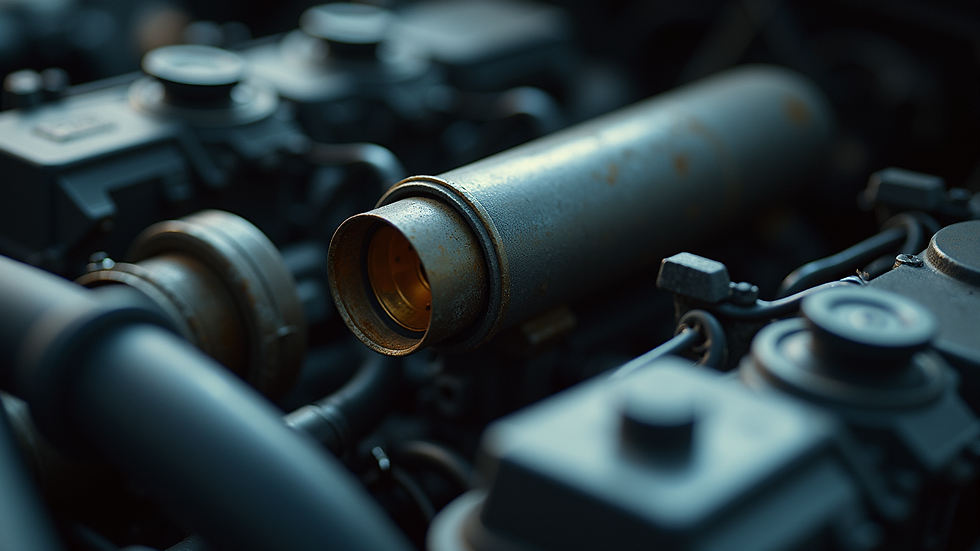
Additionally, don’t overlook the oil filters! A clean oil filter ensures contaminants don't exit the filter and circulate within the engine.
Brake System
An efficient brake system is non-negotiable for safety. Brake pads, rotors, and fluid levels need constant vigilance. According to the National Highway Traffic Safety Administration, brake failure contributes to a significant percentage of commercial vehicle accidents. When checking, look for signs of wear, unusual noises, or vibrations when braking.
Routine replacement of brake pads every 10,000 to 20,000 miles is a good practice, depending on use case and vehicle weight.

Tires and Wheels
Tires are essential for safety and fuel efficiency. Regularly inspect tire pressure, tread depth, and sidewall conditions. Tires that are under-inflated can lead to increased fuel consumption and are a hazard on the road.
A good rule of thumb is to rotate tires every 6,000 to 8,000 miles. This practice encourages even wear and prolongs tire life, ultimately saving costs on replacements.

Cooling System
The cooling system prevents the engine from overheating and maintains optimal operating temperature. A malfunctioning cooling system can lead to engine failure, which can cost thousands in repairs.
Regularly check coolant levels and look for signs of leaks. Flushing the cooling system every couple of years will help maintain its integrity. Pay attention to hoses and belts for signs of wear or cracking as well.
Electrical System
The electrical system powers the truck and keeps critical components functioning, from headlights to electronic fuel injection. Regular checks on the battery, alternator, and fuses can prevent unexpected failures.
Most truck batteries last around 3-5 years. It’s smart to have your battery tested during regular maintenance to avoid surprises.
Fuel System
The fuel system’s performance directly impacts fuel efficiency and engine performance. Dirty fuel injectors can lead to poor fuel economy, making the engine work harder than necessary.
Clean fuel filters can help maintain the integrity of the fuel system. You should replace them according to manufacturer guidelines, usually around every 10,000 miles. Keeping the fuel system free from contaminants is key to ensuring efficiency.
Conclusion: The Importance of Consistent Maintenance
Prioritizing the essential truck components discussed can lead to smoother operations, enhanced safety, and better cost management. Fleet managers should create a robust maintenance schedule that incorporates checks on these critical components. By doing so, you can ensure that your fleet remains reliable and efficient.
To dive deeper into specific replacements, consider visiting sections dedicated to truck parts, where you will find a range of options for each essential component listed above.
By staying proactive in maintenance, you will protect your investment and contribute to the overall success of your fleet.

Comments